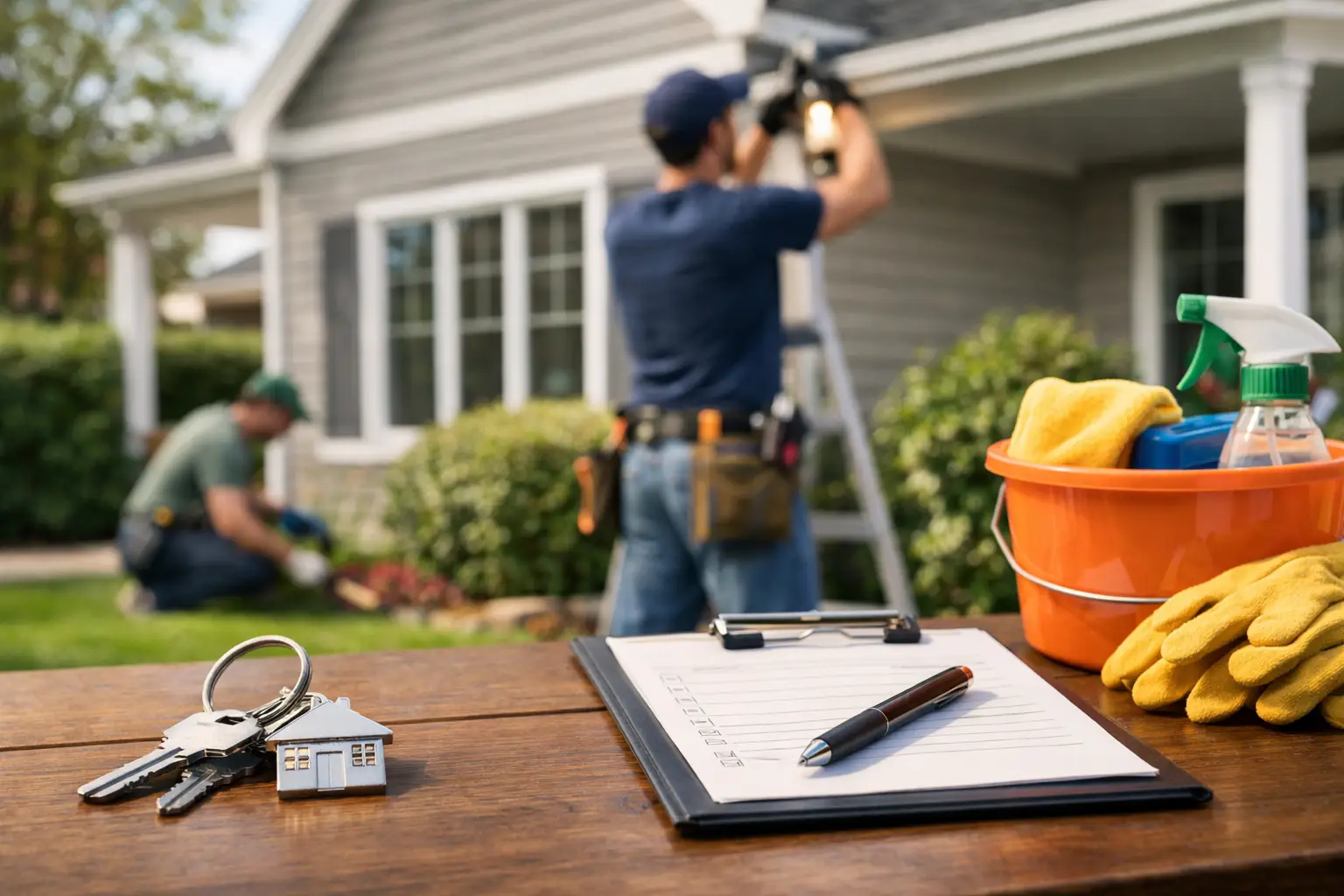
A rental can look fine at move-in and still become an expensive problem six months later. In Kitsap and Mason Counties, wet winters, wind-driven rain, moss growth, and changing temperatures put steady pressure on roofs, siding, decks, windows, and drainage. Knowing how to maintain a rental property means catching small issues before they become emergency calls, insurance claims, or a vacancy that lasts longer than it should.
Good rental maintenance is not about making every unit look brand-new every year. It is about protecting the building, keeping tenants safe and comfortable, documenting the work, and making sound decisions about where to spend maintenance dollars.
Start With a Written Maintenance Plan
The most reliable landlords do not wait for a tenant to report a problem. They set a calendar for recurring inspections and routine service. A written plan also makes it easier to manage multiple properties, compare year-over-year costs, and show that repairs were handled responsibly.
At minimum, plan for a full property review between tenants and a scheduled occupied-unit inspection when allowed by the lease and applicable Washington requirements. Give proper notice, respect tenant privacy, and focus on the condition of the home rather than treating an inspection as a fault-finding exercise.
Your plan should identify who is responsible for what. Tenants may be expected to replace smoke-detector batteries if your lease allows it, report leaks promptly, keep the home reasonably clean, and maintain the yard where appropriate. Owners should retain responsibility for structural issues, water intrusion, major systems, safety hazards, and repairs required to keep the home habitable.
Clear expectations prevent avoidable conflict. A tenant who understands how to report a concern quickly is more likely to tell you about a slow drain or loose handrail before it turns into a bigger repair.
Use Seasonal Checks to Protect the Building
Pacific Northwest weather makes seasonal maintenance especially valuable. Water is usually the issue that causes the most costly damage, whether it enters through a failed roof detail, a worn window seal, a damaged deck surface, or poor drainage around the foundation.
A practical seasonal routine includes these four checkpoints:
- Spring: Clear gutters and downspouts, check for winter storm damage, inspect siding and trim for rot, and look for standing water near the foundation.
- Summer: Address exterior painting, deck repairs, fence repairs, caulking, landscaping, and other dry-weather work before fall rains return.
- Fall: Clean gutters again, test drainage, trim vegetation away from the structure, inspect roof penetrations, and make sure exterior doors and windows seal properly.
- Winter: Watch for leaks, ice-related damage, failing heaters, plumbing concerns, and tree or wind damage. Respond quickly when conditions threaten the home or tenant safety.
Do not overlook decks and exterior stairs. A loose guardrail, deteriorated step, soft deck board, or damaged flashing can become both a safety issue and a structural repair. Wood decks need regular cleaning, fastener checks, and attention to moisture damage. Composite decking generally reduces surface maintenance, but the framing, railings, footings, and drainage still need inspection.
Prioritize Water, Safety, and Building Systems
Not every repair deserves the same urgency. When you are deciding what to handle first, start with anything involving water intrusion, electrical safety, plumbing leaks, heating, secure entry, trip hazards, smoke or carbon monoxide alarms, and structural concerns.
A small roof leak is rarely just a roof leak. Water can travel behind drywall, soak insulation, damage framing, and create conditions for mold growth long before it appears inside the unit. The same is true for leaking supply lines under sinks, failed toilet wax rings, and slow drips behind appliances. If a tenant reports water, investigate the source instead of only repairing the visible stain.
Heating and ventilation deserve similar attention. Service heating equipment on a regular schedule, replace filters as needed, and make sure bathroom and kitchen exhaust fans work properly. Ventilation helps control indoor moisture, especially in homes where tenants shower, cook, and dry clothes in a compact space.
For safety items, document the condition and service performed. Test smoke and carbon monoxide alarms at turnover and during scheduled inspections. Check handrails, porch lights, exterior steps, locks, and windows that are intended for emergency escape. If an issue could injure someone or leave the home unsecured, it should not wait for the next maintenance visit.
Handle Turnovers Thoroughly, Not Just Quickly
Vacancy costs money, but a rushed turnover often costs more later. The time between tenants is the best opportunity to inspect areas that are difficult to access when a home is occupied, including flooring edges, walls behind appliances, caulking around tubs, closet shelving, door hardware, and window operation.
Take dated photos before cleaning and repairs begin. Then create a scope of work that separates normal wear from tenant-caused damage, routine maintenance, and improvements you are choosing to make. This keeps deposit decisions more organized and gives you a clear repair history for the property.
Turnover is also the right time to make durable upgrades. In a high-use rental, washable paint, solid door hardware, quality flooring transitions, properly installed blinds, and moisture-resistant materials in baths can reduce repeat calls. The least expensive material is not always the lowest-cost choice over five years. On the other hand, premium finishes may not make sense in every rental market. Match the upgrade to the property, expected rent, tenant profile, and likely wear.
Keep Records That Help You Make Better Decisions
Maintenance records are more than paperwork. They show patterns. If the same bathroom ceiling needs repair every winter, there may be a ventilation, roof, or plumbing issue that has not been solved at the source. If several tenants report drafts at the same window, repair or replacement may be more sensible than repeated caulking.
Keep invoices, inspection notes, tenant repair requests, photos, warranties, paint colors, appliance model numbers, and a list of past work. Record the date, the reported issue, the cause if known, the repair completed, and the contractor involved. A simple system is enough as long as it is consistent.
Good records also support fair communication with tenants. When someone reports a concern, confirm receipt, explain the next step, and provide realistic timing. You do not need to promise an immediate fix for every cosmetic item, but you should never leave a tenant guessing about a safety or water-related problem.
Know When a Small Repair Needs a Professional
Landlords can often handle simple tasks such as replacing weatherstripping, tightening cabinet hardware, touching up paint, or changing a filter. But recurring leaks, rot, damaged siding, structural deck concerns, drywall damage from water, flooring failures, and major door or window problems need a closer look.
Trying to patch over the symptom can hide a larger issue. For example, replacing a rotted trim board without correcting failed flashing or caulk will only delay the next repair. A qualified contractor can identify the source, explain the scope clearly, and complete related work without forcing you to coordinate several trades on your own.
For local owners, Kitsap Maintenance helps landlords and property managers handle everything from small repairs and turnover work to deck repairs, rot repair, painting, drywall, flooring, and restoration after water damage. Dependable maintenance support is especially valuable when you do not live near the property or need work completed between tenants.
Build a Reserve Before You Need It
Maintenance is predictable even when individual repairs are not. Set aside funds each month for routine upkeep and larger future replacements. The right amount depends on the age, condition, location, and systems in the property, but the goal is the same: avoid delaying necessary work because the cash is not available.
A newer home may need less immediate repair but still requires inspections and preventative care. An older home may need a larger reserve for windows, roofing, plumbing updates, electrical coordination, or exterior repairs. The key is to budget based on the actual condition of your property, not a hopeful estimate.
A well-maintained rental protects more than the building. It supports better tenant relationships, fewer emergency calls, stronger long-term value, and the confidence that your property is being cared for the right way.
Leave a Reply