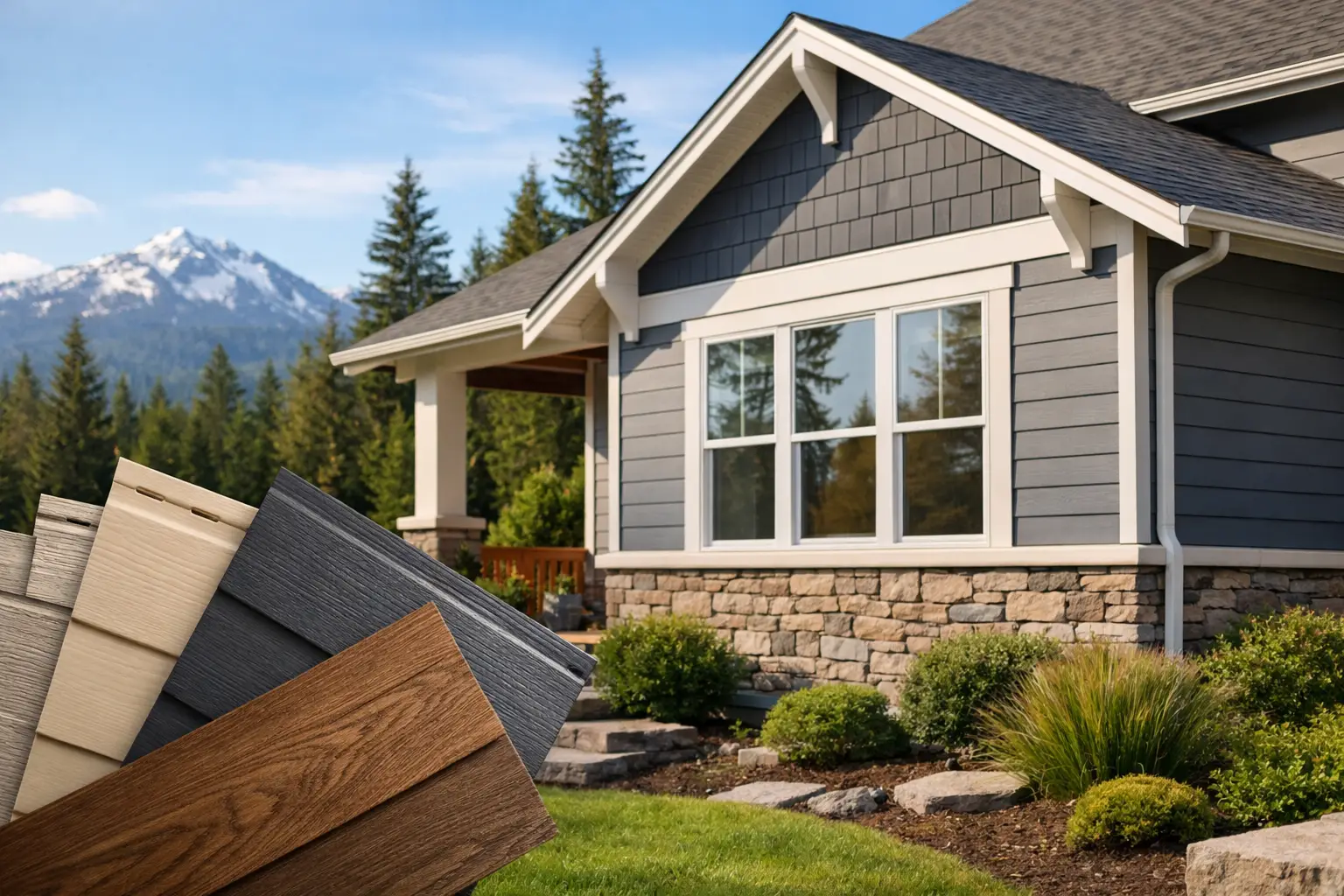
A siding decision in Kitsap or Mason County has to stand up to more than a few rainy weekends. It needs to handle wind-driven rain, damp shade, salt air near the water, and the occasional branch or ladder bump. The best low maintenance siding is not simply the product that promises no work. It is the one that fits your home, budget, exposure, and willingness to handle periodic cleaning, caulking, and repair.
For many local homeowners, fiber cement is the strongest all-around answer. But vinyl, engineered wood, and metal siding can each be the better call under the right conditions. A good installation matters just as much as the material. Even premium siding will not perform well if water gets behind it through poor flashing, failed caulk, or unaddressed rot.
What Low Maintenance Actually Means in Western Washington
No exterior material is truly maintenance-free. Siding still needs an occasional rinse, a close look around windows and doors, and prompt attention when a gutter overflows or a roof leak appears. Low maintenance means the material is less likely to rot, peel, attract insects, or require frequent repainting.
In our wet climate, the details behind the siding are often more important than homeowners realize. Housewrap, window flashing, kickout flashing, proper clearances from roofs and decks, and a drainage gap where needed all help move water out instead of trapping it against the wall. If old siding has hidden rot, covering it up with new material only delays a more expensive repair.
The right choice also depends on your home’s setting. A shaded Bremerton lot with moss growth has different needs than a wind-exposed waterfront home near Belfair or a rental property in Silverdale that needs dependable, predictable upkeep.
Best Low Maintenance Siding Options Compared
Fiber Cement: Best Overall for Most Local Homes
Fiber cement siding is made from cement, sand, and cellulose fibers. It has become a leading choice for homeowners who want the look of painted wood without wood’s regular maintenance demands. It resists rot, insects, and fire, and it holds up well against Pacific Northwest moisture when installed correctly.
For most homes in Kitsap and Mason Counties, fiber cement offers a practical balance of appearance, durability, and long-term value. It can be installed in lap siding, panel, shake, and trim profiles, so it works on everything from older cottages to newer homes with modern lines.
The trade-off is cost and installation requirements. Fiber cement is heavier than vinyl, requires specialized cutting and handling, and needs careful flashing and fastening. Prefinished boards reduce painting work, but painted fiber cement will eventually need repainting, especially on walls that get hard sun or weather exposure. Expect periodic caulk inspections and a gentle wash to remove dirt or mildew.
Vinyl Siding: Best for a Lower Upfront Budget
Vinyl siding remains one of the most affordable low-maintenance options. It does not need painting, will not rot, and can often be cleaned with a soft brush, mild cleaner, and low-pressure water. For landlords and homeowners focused on upfront cost, it can be a sensible solution.
Modern vinyl comes in more colors and profiles than it once did, but it still has limits. It can crack in cold weather after an impact, warp if installed too tightly or exposed to extreme heat, and look less substantial than fiber cement on some homes. Dark colors can also fade over time.
Vinyl performs best when installed with proper trim details and room for expansion and contraction. It is not a substitute for correcting wet or damaged sheathing underneath. If your existing wall has rot around windows, doors, or deck connections, repair that structure before new siding goes on.
Engineered Wood: Best for a Wood Look With Less Work
Engineered wood siding gives homeowners the warmth and texture of wood while avoiding some of solid wood’s biggest weaknesses. It is typically factory-treated to resist fungal decay and insects, and many products arrive primed or prefinished.
This option is often a strong fit for homes where curb appeal matters and the owner prefers traditional lap siding, board-and-batten, or shake-style details. It is also lighter and easier to install than fiber cement, which can help control labor costs.
Still, engineered wood is not maintenance-free. Cut edges must be properly sealed, paint and caulk need to stay in good condition, and installation clearances matter. If water repeatedly reaches unprotected edges or joints, damage can develop. It is a good product when the system is installed carefully and maintained on schedule, not when it is treated like vinyl.
Metal Siding: Best for Modern Designs and Tough Exposure
Metal siding is durable, noncombustible, insect-proof, and easy to clean. It can be an excellent choice for contemporary homes, outbuildings, mixed-use properties, and walls exposed to heavy weather. Quality coated steel or aluminum can last for decades with limited upkeep.
The trade-offs are mostly aesthetic and practical. Metal can dent, scratch, or show oil-canning, which is a visible waviness in broad panels. Repairs may require replacing an entire panel, and some homeowners simply prefer a more traditional residential appearance.
For a home near the water, material selection and fastener details deserve extra attention. Salt air can be hard on poorly matched metals and damaged coatings. Done right, metal siding is one of the most durable choices available.
A Quick Decision Guide
| If your priority is… | A strong option is… | Keep in mind… | |—|—|—| | Long-term value and broad curb appeal | Fiber cement | Higher installation cost and eventual repainting | | Lowest upfront cost | Vinyl | Can crack, fade, or warp and offers fewer high-end details | | A traditional wood appearance | Engineered wood | Needs consistent paint, caulk, and sealed cuts | | Modern style and weather resistance | Metal | Can dent and may not suit every home style |
Do Not Let Maintenance Claims Distract From Installation Quality
A new siding project is a chance to see what is happening behind your exterior walls. Soft trim, stained drywall, bubbling paint, loose siding, or a musty smell near an exterior wall can point to moisture intrusion. Those signs should be investigated before selecting a finish color or profile.
The work should include removal of damaged materials, repair of rot where needed, and proper water management around openings and transitions. Windows, doors, decks, rooflines, chimneys, and hose bibs are common problem areas. These details are where a quality siding job earns its value.
This is especially true with deck connections. A ledger board attached to a house needs correct flashing to keep water from entering the wall. If you are updating siding while planning a new deck or repairing an existing one, coordinate both projects instead of treating them as unrelated jobs.
How to Keep New Siding Looking Its Best
A little routine care protects every siding type. Walk around the home each spring and fall. Look for open caulk joints, loose trim, blocked gutters, overgrown shrubs, and any place soil or mulch sits too high against the wall. Keep sprinklers from constantly soaking the siding, and trim vegetation back so the wall can dry after rain.
Wash siding gently when dirt, algae, or mildew begins to build up. Avoid blasting water upward behind lap siding with a pressure washer. High pressure can damage finishes, force water into wall cavities, and create the very repair problem you were trying to prevent.
When paint begins to fail on fiber cement or engineered wood, address it before bare areas spread. When a vinyl panel cracks or a metal panel is deeply scratched, replace or repair it promptly. Small issues are usually straightforward. Waiting allows water to reach the layers that protect your home’s structure.
Choose for Your House, Not Just the Product Label
The best choice is rarely the one with the boldest maintenance claim. A shaded home surrounded by trees may benefit from fiber cement and a realistic cleaning plan. A budget-conscious rental may be well served by properly installed vinyl. A waterfront or modern property may make a compelling case for metal. The condition of the existing walls, local exposure, desired appearance, and quality of installation should drive the decision.
Kitsap Maintenance helps homeowners and property managers evaluate siding damage, repair rot, and plan exterior improvements with honest recommendations based on the building in front of us. Before you commit to new siding, have the wall system, trim, flashing, and problem areas assessed. A material that looks good on day one is useful. A siding system that keeps water out for years is the better investment.
Leave a Reply