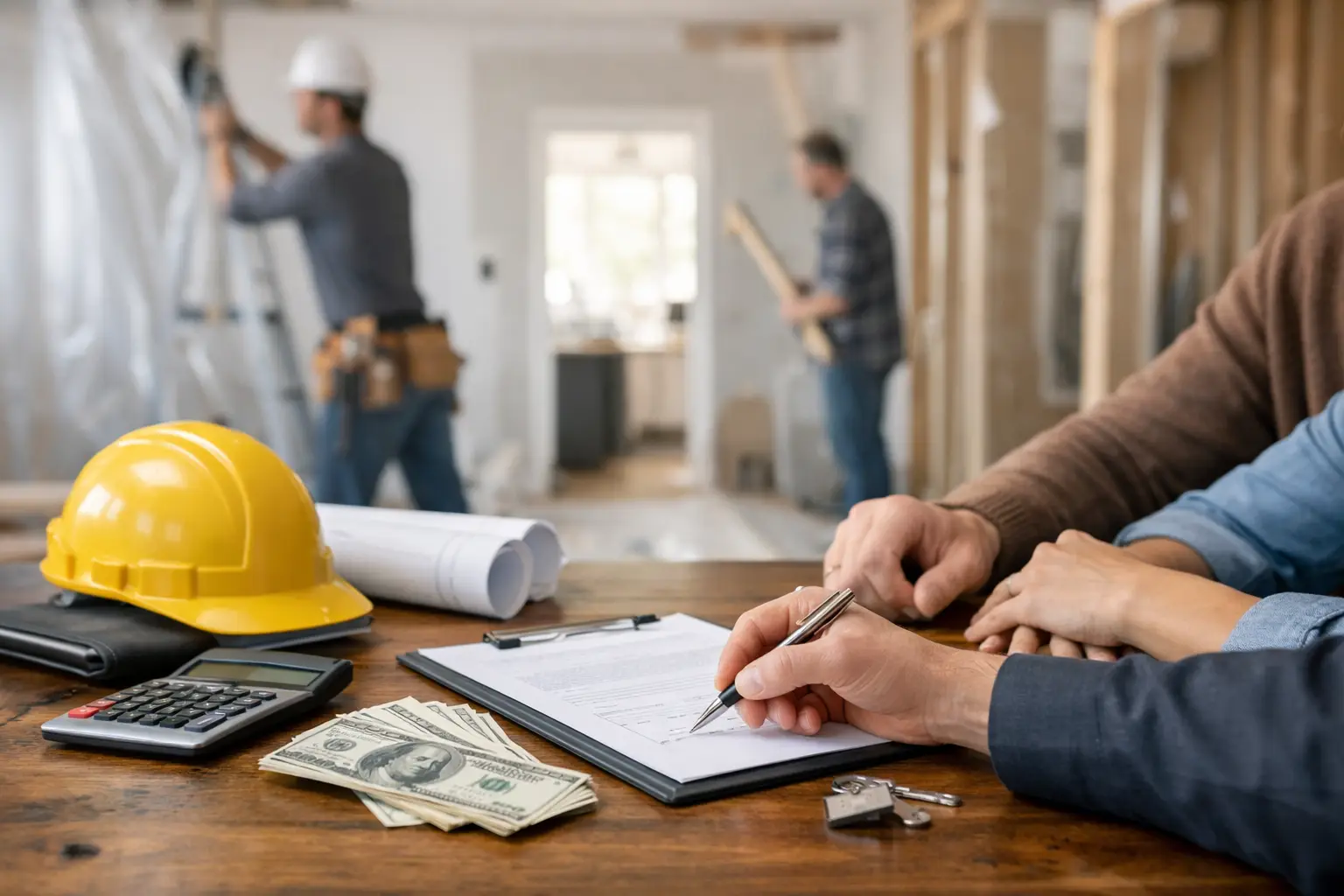
A worn-out deck does not wait for a better time. Neither does a water-damaged floor, a failing exterior door, or the bathroom remodel you have put off for three years. Contractor financing for remodeling gives homeowners and property owners a way to move forward on necessary work without draining savings all at once.
For many projects, the question is not whether the work matters. It is how to pay for quality workmanship while keeping the household or property budget steady. A clear financing conversation can make that decision easier, especially when it happens before plans are finalized and materials are ordered.
When Remodeling Financing Makes Sense
Financing can be a practical fit when the project protects the home, improves daily use, or prevents a smaller issue from becoming a larger repair. A deck with structural concerns, siding with rot, recurring water intrusion, or damaged flooring can cost more if it is left alone. Addressing the work promptly may protect the rest of the property.
It can also make sense for planned improvements that add long-term usefulness. Homeowners across Kitsap and Mason Counties often finance outdoor living projects, kitchen and bath updates, replacement windows and doors, flooring, and larger repair packages. For a landlord or property manager, spreading out the cost of tenant improvements or needed maintenance can preserve operating cash for other property obligations.
That said, financing is not automatically the best answer for every job. A small handyman repair may be easier to pay for directly. If the payment would strain your monthly budget, stepping back to adjust the project scope or phase the work may be the smarter move. Good remodeling decisions should improve your property without creating financial pressure that lasts longer than the value of the project.
Contractor Financing for Remodeling: Know the Numbers First
The most useful financing option is the one you understand completely. Before you sign an agreement, ask for the full project estimate and make sure you know what is included: labor, materials, permits when required, cleanup, allowances, and any work that may need coordination with electrical or plumbing professionals.
Then review the financing terms with the same care you would give the construction contract. The monthly payment matters, but it is not the whole story. Look at the annual percentage rate, repayment period, total amount repaid, origination fees if any, late-payment policies, and whether a promotional rate changes after a set period.
A low monthly payment can be appealing because it keeps the immediate budget comfortable. The trade-off is that a longer repayment term can mean more interest paid over time. A shorter term may cost less overall, but only if the monthly payment is realistic for your household or business budget.
For example, financing a full deck replacement over several years may be reasonable when the deck is a major part of how you use your home and the payment fits comfortably. Financing cosmetic upgrades at a high rate may deserve a second look. There is no one-size-fits-all answer. The right choice depends on the condition of the property, the purpose of the work, your cash reserves, and the terms available to you.
Start With a Real Scope of Work
Financing works best when the project is clearly defined. A vague estimate can lead to an unpleasant surprise if you finance one number but discover later that key items were not included. During an in-person consultation, walk through the work area, explain your goals, and point out any concerns you have noticed.
A professional contractor should help you distinguish between must-do repairs and optional upgrades. On a deck project, for instance, structural repairs and safe railings may come first, while lighting, built-in seating, or premium finishing details can be considered separately. On an interior remodel, repairing hidden water damage or subfloor issues may take priority over a fixture upgrade.
This does not mean you need to strip a project down to the bare minimum. It means you should make choices with open eyes. If a higher-quality material, such as composite decking, better windows, or durable flooring, offers a longer service life and less maintenance, financing may help you choose the solution that makes more sense over the years. Compare the upfront cost with the likely maintenance, repair, and replacement costs of lower-priced options.
Questions Worth Asking Before You Apply
A financing offer should never replace a straightforward conversation about the work itself. Ask how the project schedule, deposit, progress payments, and final payment are handled. Confirm whether financing funds are paid directly to the contractor or released according to a payment schedule.
It is also wise to ask what happens if unexpected conditions are found after work begins. Older homes can reveal concealed rot, damaged framing, outdated wiring, plumbing issues, or prior repairs that were not completed correctly. No reputable contractor can promise that hidden conditions never exist, but they should explain how change orders are documented and approved before additional work moves ahead.
Consider these questions as you compare options:
- What is the total financed amount, including any fees?
- What will the monthly payment be, and for how many months?
- Is the interest rate fixed, deferred, or promotional?
- Can I pay early without a prepayment penalty?
- What work is included in the written estimate, and what could trigger a change order?
- Does the contractor have the licensing, insurance, experience, and warranty support appropriate for this project?
The last question matters just as much as the financing terms. A poor repair is expensive even when the payment plan is convenient. Choose a contractor based on clear communication, proven craftsmanship, proper credentials, and a willingness to stand behind the work.
Financing for Repairs Versus Value-Adding Upgrades
Emergency repairs and elective improvements call for slightly different thinking. If flood damage, rot, or a failed exterior element is putting the property at risk, speed and quality may be the priority. Financing can help you address the problem before moisture, safety concerns, or lost use create a bigger expense.
For a planned remodel, focus on how the project supports your life or property goals. A well-built deck can create usable space for family gatherings. A kitchen update can improve function every day. Durable rental flooring may reduce turnover maintenance. These benefits can be real, but they should be weighed against the total financing cost.
Home value is part of the picture, but it should not be the only reason to remodel. Not every improvement returns its full cost at resale, and local market conditions change. Many of the best projects are worthwhile because they solve a problem, reduce upkeep, make a home safer, or help you enjoy the property now.
Build a Payment Plan You Can Live With
Before approving a project, review your monthly budget honestly. Leave room for ordinary expenses, seasonal utility changes, insurance, maintenance, and unexpected repairs. If you own rental property, account for vacancy and turnover costs rather than assuming every month will perform the same.
If the payment is close to your limit, consider reducing the scope, completing the project in phases, choosing a different material level, or waiting until you have a larger down payment. Those choices are not failures. They are responsible ways to protect your budget while still moving toward a better property.
Kitsap Maintenance helps homeowners, landlords, and property managers plan practical repair and improvement work with clear estimates and professional guidance. Whether you are considering a Trex deck, a remodel, or repairs that cannot wait, start with an honest conversation about the scope, schedule, and payment options. The right project plan should leave you confident in both the work being done and the way you are paying for it.
Leave a Reply