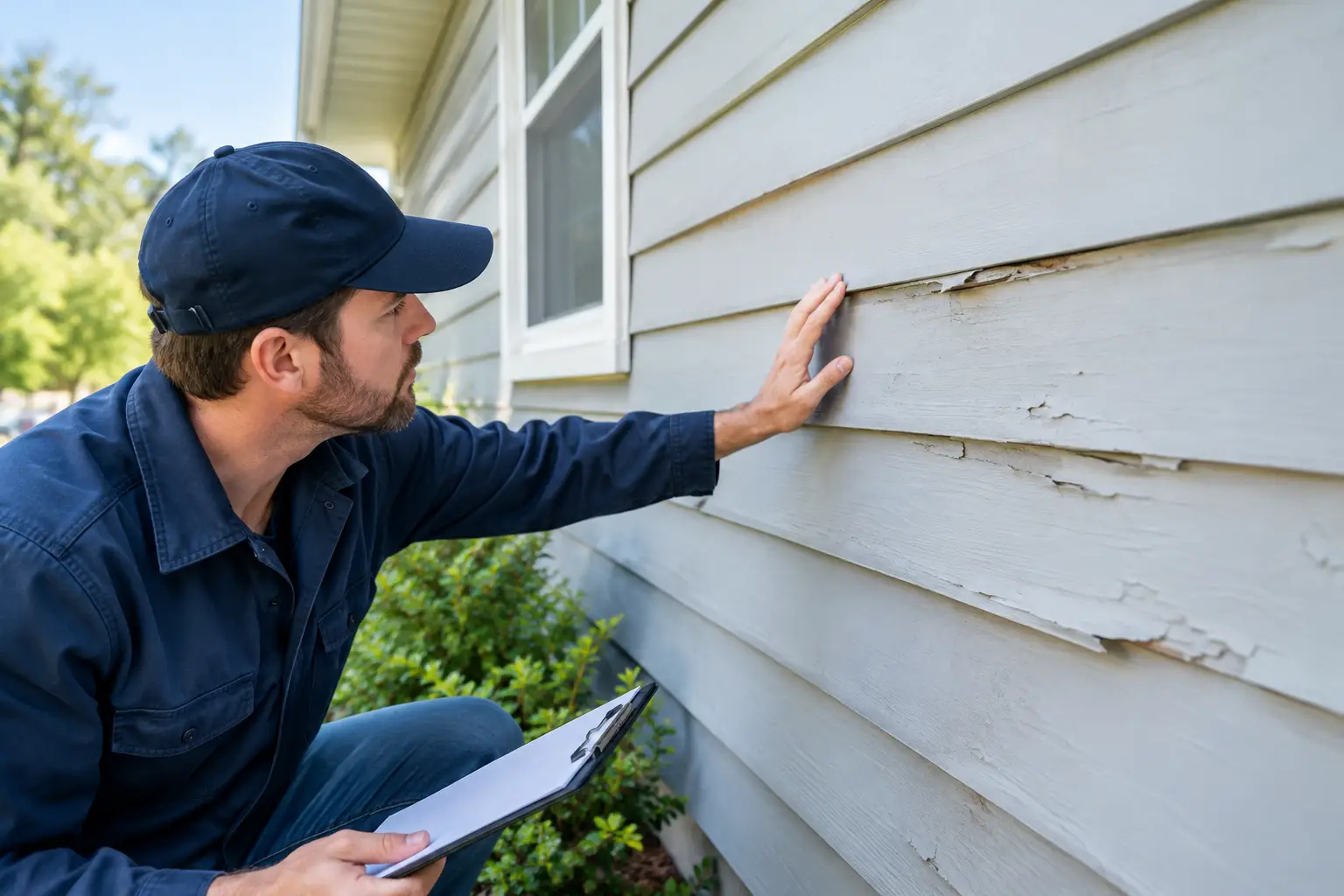
A loose siding board can look like a small weekend repair until rain finds the gap behind it. In Kitsap and Mason Counties, where wet weather, wind, and shaded exterior walls are part of life, knowing when to replace house siding can protect far more than curb appeal. It can prevent hidden rot, damaged sheathing, mold concerns, and costly repairs around windows, doors, and framing.
Siding does not need to look perfect to do its job. It does need to shed water, resist wind, and keep the wall assembly protected. The right time to act depends on the siding material, the location and extent of damage, and whether water has already reached the structure behind it.
8 Signs It Is Time to Replace House Siding
1. Rot keeps returning
Wood siding naturally needs maintenance, especially in the Pacific Northwest. A small soft spot near a trim board or lower corner may be repairable if the damage is isolated and the source of moisture is fixed.
But recurring rot is a different problem. If boards are soft in several places, crumble when pressed, or continue to deteriorate after previous repairs, replacement is often the more responsible investment. Replacing individual boards without correcting damaged flashing, failed caulking, poor drainage, or a worn moisture barrier can simply postpone the same problem.
Rot around window sills, door trim, deck attachments, and lower wall sections deserves prompt attention. These are common areas where water can travel behind the siding and affect framing.
2. Boards are warped, cracked, or pulling away
Siding should sit flat and secure against the home. Boards that bow outward, cup, split, or separate at seams may no longer be keeping weather out effectively. Vinyl panels can become brittle and crack. Fiber cement can chip or crack after impact or improper installation. Wood can swell and distort after repeated moisture exposure.
One damaged board does not automatically mean the entire exterior needs replacement. However, widespread movement across a wall is a warning that the material may be at the end of its service life or that there is moisture trapped behind it. A contractor should inspect the wall before covering the issue with new caulk or paint.
3. Paint fails much sooner than it should
Paint is not just cosmetic on many wood-sided homes. It is part of the protection system. When paint peels, bubbles, flakes, or fades quickly after a proper paint job, moisture may be pushing from behind the siding or entering through open joints.
A quality exterior paint job should not fail in just a year or two under normal conditions. If it does, repainting alone may not solve the underlying cause. Look for stained areas, swollen boards, open seams, and soft wood, especially on north-facing walls that receive less sun and stay damp longer.
4. You see stains, mildew, or moisture marks indoors
Water stains on interior drywall, a persistent musty smell, or peeling paint near exterior walls can signal a siding, flashing, roofline, or window issue. Siding is not always the cause, but it should be part of the inspection.
Do not wait for visible interior damage to become severe. Water can move a long way through wall cavities before it becomes obvious inside. Early evaluation gives you a better chance of limiting the repair to siding, trim, and localized rot instead of opening large sections of wall.
5. Caulk lines and seams have become a constant repair
Exterior caulk is a maintenance item, not a permanent fix. It should seal appropriate joints around trim, penetrations, and transitions. It should not be expected to hold failing siding together year after year.
If you are repeatedly filling large gaps, sealing cracked joints, or repairing the same corners every season, take a step back and assess the siding system. Aging materials, movement in the wall, or faulty installation can make caulking an endless cycle. Replacement may cost more upfront, but it can be the better value when repairs are no longer lasting.
6. Insects or pests are getting behind the walls
Carpenter ants, termites, rodents, and other pests are drawn to openings and moisture-damaged wood. Sawdust-like material, insect activity around soft trim, or unexplained holes can point to deteriorated siding or hidden rot.
Pest treatment is necessary when pests are present, but treatment alone does not restore the damaged exterior. The affected siding and wood behind it may need to be opened, repaired, and properly protected. Closing entry points matters just as much as addressing the infestation.
7. Your energy bills rise without another clear reason
Siding is not insulation, but damaged siding can allow more air and moisture into the wall system. Drafts near exterior walls, cold spots, or higher heating costs may be connected to gaps around siding, trim, windows, or doors.
This is especially worth checking during a remodeling project. If siding replacement requires opening walls or removing exterior trim, it may be an efficient time to improve flashing, weather-resistive barriers, air sealing, and insulation where accessible. The right scope depends on the home and the condition found after removal.
8. Repairs are spreading across multiple sides of the home
The clearest answer to when to replace house siding is often found in the repair history. If one small area needs attention, a focused repair can make good sense. If repairs now involve several elevations, multiple window openings, loose boards, faded finishes, and recurring moisture damage, replacement becomes easier to justify.
A full replacement also creates an opportunity to correct older installation problems consistently. That may include better flashing details, properly integrated housewrap, durable trim, and careful sealing around windows and doors. Those details are what help new siding perform for the long haul.
Replace or Repair? The Decision Usually Comes Down to Scope
A good contractor should not recommend full replacement when a sound repair will protect the house. Localized damage from a fallen branch, a failed hose connection, or one leaking window can often be repaired without replacing every wall.
Repair is usually the practical choice when the siding is otherwise in good condition, the damaged area is clearly limited, replacement materials can be matched, and the moisture source has been corrected. It is also a smart option for landlords and property managers who need to address a specific issue quickly while planning larger capital improvements.
Replacement deserves serious consideration when damage is widespread, the siding has reached the end of its expected life, matching materials are unavailable, or water intrusion may be affecting sheathing and framing. The lowest immediate price is not always the lowest cost over time. Repeated patchwork, repainting, and emergency rot repairs can add up quickly.
What a Proper Siding Inspection Should Look For
A siding decision should not be based only on what is visible from the driveway. A thorough inspection looks at the siding surface, but it also pays close attention to the transition points where water commonly enters.
That includes roof-to-wall intersections, windows, doors, deck ledger areas, exterior lights, hose bibs, vents, and the bottom edge of siding near grade. The inspector should look for failed flashing, improper clearances from soil or decking, damaged trim, and signs that water has been trapped behind the finish.
In some cases, the only way to understand the full scope is to remove a limited section of siding. That can reveal whether the sheathing is solid and dry or whether rot repair is needed before new materials are installed. It is better to find that condition early than to install new siding over a problem that continues out of sight.
Plan Before the Rainy Season if You Can
Emergency siding repairs happen, particularly after storms or when active leaks are discovered. Still, homeowners have more choices when they plan ahead. A dry-season inspection gives you time to compare repair and replacement options, select materials, and schedule work before the heaviest weather returns.
Material selection matters. Fiber cement, engineered wood, vinyl, and natural wood each have different costs, appearance, maintenance needs, and installation requirements. There is no single best choice for every property. The right one should fit your budget, your home’s design, your maintenance expectations, and the exposure of the building.
If you have noticed soft boards, recurring paint failure, open seams, or unexplained moisture, do not assume it is only a cosmetic issue. A straightforward inspection can clarify what needs repair now, what can wait, and whether replacement will better protect your investment. Kitsap Maintenance can help homeowners, landlords, and property managers make that call with clear recommendations and quality workmanship.
Leave a Reply