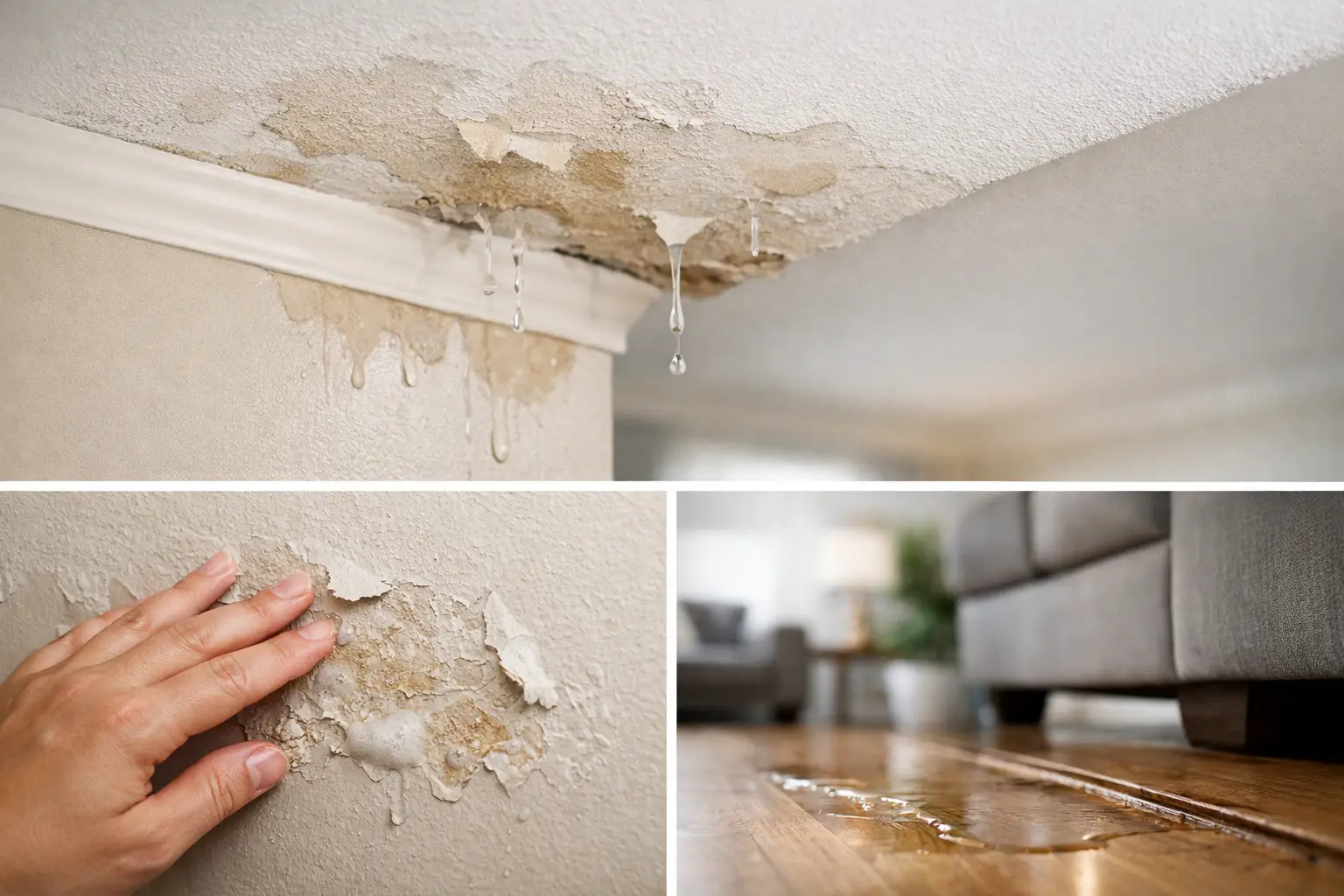
A small stain on the ceiling usually does not stay small for long. By the time water shows up where you can see it, it has often already traveled through drywall, insulation, trim, or framing. That is why water damage warning signs matter so much for homeowners, landlords, and property managers across Kitsap and Mason Counties. Catching the problem early can mean the difference between a straightforward repair and a much bigger restoration job.
In Western Washington, homes deal with long wet seasons, wind-driven rain, aging roofs, clogged gutters, plumbing failures, and moisture that tends to hang around. Some warning signs are obvious. Others are easy to dismiss until soft wood, mold growth, or damaged finishes force the issue. Knowing what to look for helps you act faster and protect the parts of the property that are expensive to replace.
The water damage warning signs most people miss
The first thing many people notice is discoloration. Brown, yellow, or copper-colored stains on ceilings and walls are common, but they are not the only clue. Paint that starts bubbling, blistering, or peeling can point to trapped moisture behind the surface. The same goes for drywall tape lines that suddenly become more visible or corners that begin to swell.
Texture changes matter too. If a wall feels soft when you press on it, or a baseboard looks swollen and slightly out of shape, moisture may already be working its way through the material. Flooring can tell the same story. Hardwood may cup, laminate can lift at the seams, and vinyl plank may feel uneven if the subfloor underneath has taken on water.
Odor is another early signal. A musty smell in a bathroom, laundry room, crawl space, or lower level often shows up before major visual damage does. That smell does not always mean a dramatic leak. Sometimes it points to slow, ongoing moisture from a supply line, drain issue, roof penetration, or poor ventilation. Slow leaks are often the ones that do the most hidden damage because they continue quietly for weeks or months.
Where water damage usually starts
Not every leak starts where people expect. Roofs are an obvious source, especially around flashing, vents, skylights, and valleys. But windows and doors are frequent trouble spots too, particularly when caulking has failed or siding details are letting water get behind the exterior envelope.
Bathrooms and kitchens are high-risk areas because they combine plumbing, fixtures, and regular water use. Around tubs and showers, cracked grout or failed sealant can send water into walls and subfloors over time. Under sinks, a minor drip around the shutoff valve or drain trap can go unnoticed inside a cabinet until the bottom panel swells and the smell gives it away.
Laundry rooms are another common source of sudden damage. Washing machine supply lines can fail fast and release a lot of water in a short time. Water heaters, dishwashers, refrigerators with ice makers, and older plumbing connections deserve the same attention. In many homes, the leak itself is simple. The expensive part is the damage left behind.
Outside, gutters and downspouts play a bigger role than many people realize. When they clog, overflow, or dump water too close to the foundation, moisture can work into fascia, soffits, siding, crawl spaces, and basements. On decks, stairs, and exterior trim, water intrusion often shows up as soft spots, peeling paint, rot, or loose boards. In this climate, exterior water issues rarely improve on their own.
What water damage looks like indoors
Indoor signs can be subtle at first. A ceiling stain after a storm is easy to recognize, but there are quieter clues that show up earlier. Watch for trim pulling away from the wall, nails popping through drywall, or doors that suddenly stick even though they used to close properly. Moisture can swell framing and finish materials just enough to change how they fit.
Flooring problems are especially worth paying attention to. Tile that sounds hollow, carpet that stays damp, or a bathroom floor with a slight sponge-like feel can all point to moisture below the surface. Homeowners sometimes assume these issues come with age, but age and water damage often get confused.
Windows can also reveal a problem. If the interior casing stains, the sill feels soft, or paint starts failing around the frame, water may be getting in from outside rather than simply condensing inside. It depends on the pattern. Condensation tends to be more seasonal and surface-level. Intrusion from failed flashing or siding details often leaves lasting material damage.
Exterior signs that should not wait
A lot of serious damage starts outside, then works inward. That is why exterior inspections matter, especially after heavy rain or wind. Look for missing or damaged shingles, loose flashing, cracked siding joints, and trim boards that feel soft when gently probed. Rot around windows, deck ledger areas, and door trim is a strong signal that water has been entering for some time.
Pay attention to staining on siding and under roof edges. Overflow marks from gutters can show where rainwater is spilling where it should not. Moss buildup, persistent damp spots, and paint that keeps failing in the same location are also worth a closer look. Repainting a problem area without solving the moisture source usually buys very little time.
Crawl spaces and under-deck areas are often overlooked because they are out of sight. But standing water, wet insulation, mildew smell, or visible fungal growth in these spaces should be taken seriously. Once framing stays damp long enough, structural repairs can become part of the job.
When it is a quick repair and when it is a bigger problem
Not every leak turns into major restoration work. Sometimes the issue is caught early, the source is clear, and the surrounding materials are still sound. A failed supply line, a small roof penetration, or a localized seal failure around a fixture may be handled before broader damage sets in.
The problem gets bigger when moisture has had time to spread or when the source is intermittent and hard to trace. A roof leak that only shows during wind-driven rain, for example, can keep wetting insulation and framing even when the ceiling stain dries out between storms. The same goes for slow plumbing leaks inside walls or around tubs. Dry on the surface does not always mean dry underneath.
Mold risk, rot, damaged subfloor, insulation replacement, drywall removal, and finish repairs all start stacking onto the scope once water sits too long. For landlords and property managers, there is also the added issue of tenant disruption and the need to move quickly before a minor maintenance call becomes a much larger turnover expense.
What to do when you spot water damage warning signs
First, do not ignore a stain or smell just because it seems minor. Water is persistent, and the visible symptom is often only part of the story. If you can safely identify the source, shut off the water or protect the area from further exposure right away.
Next, document what you are seeing. Take photos of stains, soft materials, wet flooring, or exterior trouble spots. This helps track whether the damage is spreading and can be useful if insurance or tenant communication becomes part of the process.
Then get the problem properly assessed. A good contractor will look beyond the cosmetic damage and try to find the source, the path of travel, and the materials affected. That matters because repairing the visible area without solving the cause is where people end up paying twice. For local homeowners dealing with leaks, rot, or flood-related repairs, Kitsap Maintenance often sees the same pattern: the earlier the issue is addressed, the more options there are to keep the repair straightforward.
A few areas worth checking regularly
You do not need a complicated maintenance schedule to catch many water issues early. It helps to keep an eye on ceilings after storms, look under sinks once in a while, check around tubs and showers for failing caulk, and walk the exterior to look for paint failure, soft trim, or gutter overflow. If your home has a crawl space, periodic checks there can reveal moisture problems long before they show up in the living area.
For rental properties, regular inspections are especially valuable. Tenants may report obvious leaks, but soft flooring, musty smells, and early trim damage can go unnoticed if nobody is looking for them. A short inspection now can prevent a much more disruptive repair later.
Water damage rarely announces itself with perfect timing. It shows up on a Saturday morning during a storm, under a sink the week before guests arrive, or behind siding after months of quiet exposure. The homes that hold up best are usually the ones where small warning signs are taken seriously and dealt with before they have time to spread.
Leave a Reply