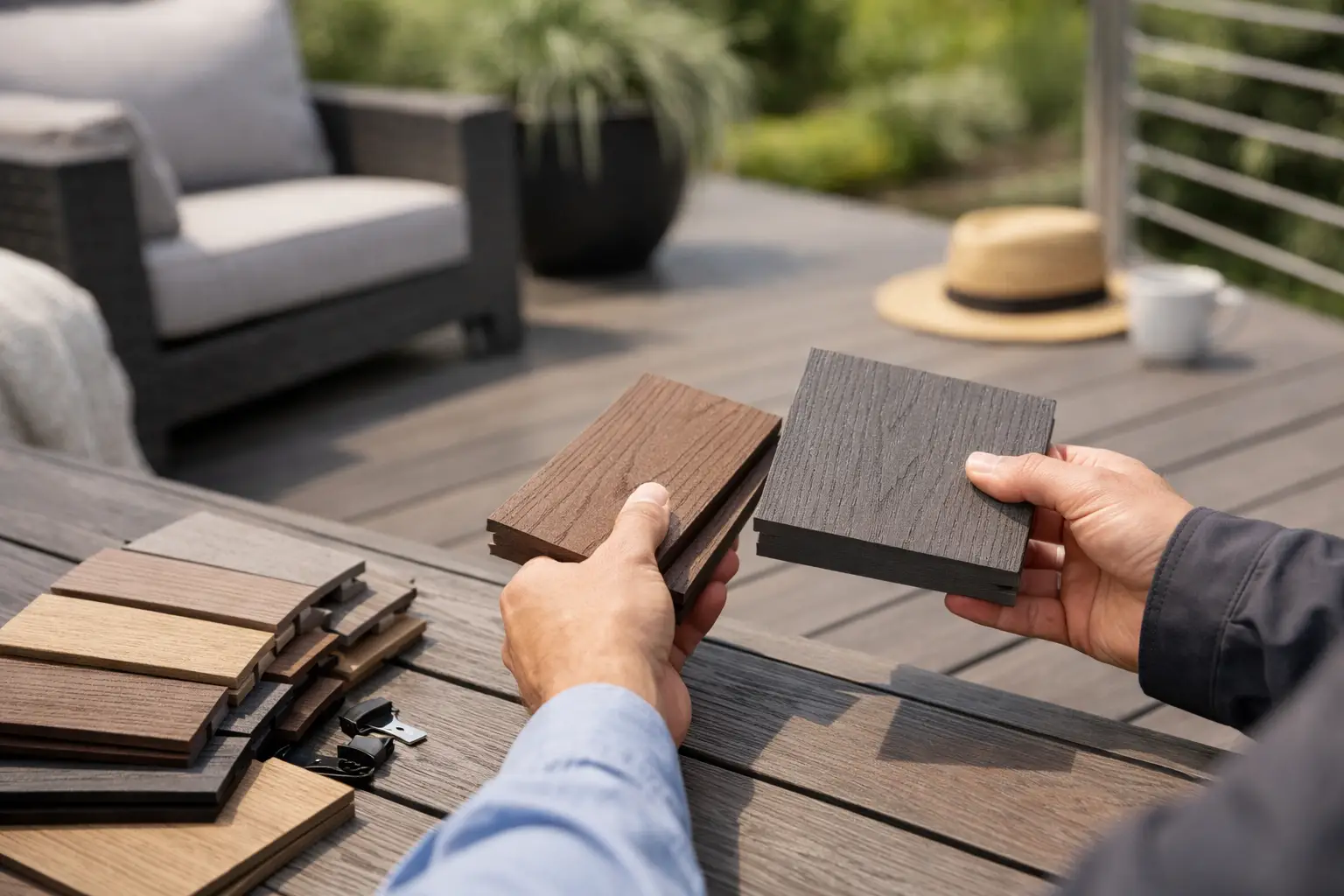
A deck looks simple from the yard. Up close, the wrong material choice can turn into hot boards, stains that will not lift, fading that shows fast, or a surface that never quite feels right underfoot. If you are figuring out how to choose composite decking, the best approach is to think past the sample board and focus on how the deck will actually perform at your home.
That matters even more here in Western Washington, where moisture, shade, debris, and long rainy seasons put outdoor materials to work. Composite decking can be a smart long-term investment, but not every product line is built the same, and not every homeowner wants the same result. Some want the lowest upkeep possible. Others care most about color, heat, slip resistance, or warranty coverage. The right pick depends on how you use the space and what kind of maintenance you want to live with.
How to Choose Composite Decking for Real-Life Use
Start with the basics – who uses the deck, how often, and in what conditions. A backyard deck for occasional summer dinners has different demands than a main outdoor living space with grills, dogs, kids, and year-round foot traffic. If the deck wraps around a hot tub, sits under heavy tree cover, or gets limited sun, those details should shape the product you choose.
This is where many people get sidetracked by appearances alone. Color matters, and so does board style, but performance should come first. A good-looking board that scratches easily or stays slick in wet conditions is not a great value. On the other hand, paying for a premium line with features you do not need may not make sense either.
A solid decision usually comes down to five things: board construction, surface traction, heat retention, appearance, and warranty support. Once those are clear, the rest gets easier.
Understand the Different Types of Composite Decking
Not all composite boards are made the same way. Some are capped on all sides, some only on the top and grooves, and some older or lower-end products have less protection against moisture and staining. In general, capped composite performs better because the outer shell helps resist fading, mildew, scratches, and everyday messes.
That does not mean every capped board is equal. The thickness of the cap, the quality of the core, and the manufacturing consistency all affect long-term results. Premium boards usually cost more up front, but they often deliver better color stability, a more convincing wood look, and fewer service issues later.
PVC decking is sometimes considered alongside composite. It is lighter, highly moisture resistant, and often excellent in wet environments. The trade-off is that it can feel different underfoot and may come at a higher price point. For some homeowners, that upgrade is worth it. For others, a quality composite line hits the right balance.
Entry-Level vs Premium Boards
Entry-level composite can work well for smaller budgets, rental properties, or secondary decks where appearance and wear are less critical. Premium lines tend to make more sense for front-facing decks, larger entertaining spaces, and projects where long-term value matters more than the initial price tag.
You are not just paying for the board itself. You are paying for how it holds color, how it cleans up, how it handles traffic, and how likely you are to still like it ten years from now.
Pay Attention to Moisture, Mold, and Slip Resistance
In our region, this part matters. A deck that sees regular rain, morning dew, fallen leaves, and shaded conditions needs a surface that handles moisture well. Composite decking is generally easier to maintain than wood, but wet performance still varies by brand and texture.
Some boards have a deeper embossed grain that improves traction. Others have smoother finishes that may look sleek but can feel less secure when wet. If safety is a concern for kids, older adults, tenants, or guests, ask specifically about slip resistance instead of assuming all composite boards perform the same.
Mold and mildew are another practical concern. Composite decking will not rot like untreated wood, but surface mildew can still develop if organic debris sits too long. A board with good protective capping and a cleaning routine that matches your site conditions will help keep the deck looking right.
Choose a Color That Works in Sun and Shade
Color is where many homeowners make an emotional decision first, and that is understandable. The deck should fit the house and feel good in the space. Still, color is not just about looks.
Darker boards usually absorb more heat. On full-sun decks, especially in the warmer parts of summer, that can make barefoot use less comfortable. Lighter colors often stay cooler and may show dust less, while medium tones tend to hide pollen, dirt, and everyday wear better than very dark or very light boards.
Shade changes things too. A color that looks rich and warm on a showroom sample may read much darker once it is installed under trees or on the north side of a home. It helps to look at larger samples outdoors, not just small cut pieces under indoor lighting.
Match the Deck to the House, Not the Trend
Trendy colors can date a project faster than people expect. A safer bet is usually a tone that works with your siding, trim, roofing, and landscape. If you plan to sell in the future, broad appeal matters. If this is your forever home, you may have more freedom to go bolder. Either way, the deck should look like it belongs there.
Look Beyond the Board Price
A lower board price does not always mean a lower project cost. Hidden fastener systems, framing requirements, fascia options, stair detailing, railing choices, and picture framing can all move the number. Some premium products install more cleanly or come with matching components that improve the finished result.
This is one reason estimates can vary so much from one contractor to another. You are not always comparing the same scope, the same substructure standards, or the same product line. When evaluating options, ask what is included and where the real differences are.
If budget is tight, it may be smarter to choose a strong mid-range decking line and simplify the layout than to stretch for the most expensive board while cutting corners elsewhere. A well-built deck with solid framing and good drainage will usually outperform a premium surface installed over poor structure.
Warranties Matter, but So Does the Company Behind the Work
Manufacturers promote long warranties for a reason. They help show confidence in the product. But a warranty is only part of the picture. You also want to know what is actually covered, what is prorated, and what kind of issues fall outside the fine print.
Equally important is the installer. Even excellent composite decking can disappoint if spacing is wrong, framing is uneven, ventilation is poor, or fasteners are mishandled. Product quality and installation quality go together. That is why many homeowners prefer working with a contractor who has direct experience with specific composite systems rather than treating all deck products as interchangeable.
For local homeowners who want that level of confidence, Kitsap Maintenance brings certified deck expertise, practical guidance, and a workmanship-first approach that fits the way outdoor projects should be handled.
How to Narrow Down Your Final Choice
Once you have a few options in front of you, compare them in the most practical way possible. Look at full-size samples. Stand on them if you can. Ask how they perform in wet weather, how they clean up after grease or mud, and whether they tend to show scratching from patio furniture or dogs.
It also helps to think in time horizons. How should the deck look in one year, five years, and fifteen years? If your main goal is low maintenance and long-term curb appeal, a better product often pays for itself in fewer headaches. If the property is a rental or a shorter-term hold, the balance may shift.
Questions Worth Asking Before You Decide
Ask what product line fits your exposure conditions, whether the color will run hot in your yard, how the board handles moisture, and what the installation plan includes for framing, ventilation, and drainage. Those answers will tell you more than a brochure will.
The best deck choices usually are not the flashiest. They are the ones that fit the home, the weather, and the way you actually live. Pick composite decking with that in mind, and you are far more likely to end up with a deck that still feels like a good investment long after the samples are gone.
Leave a Reply