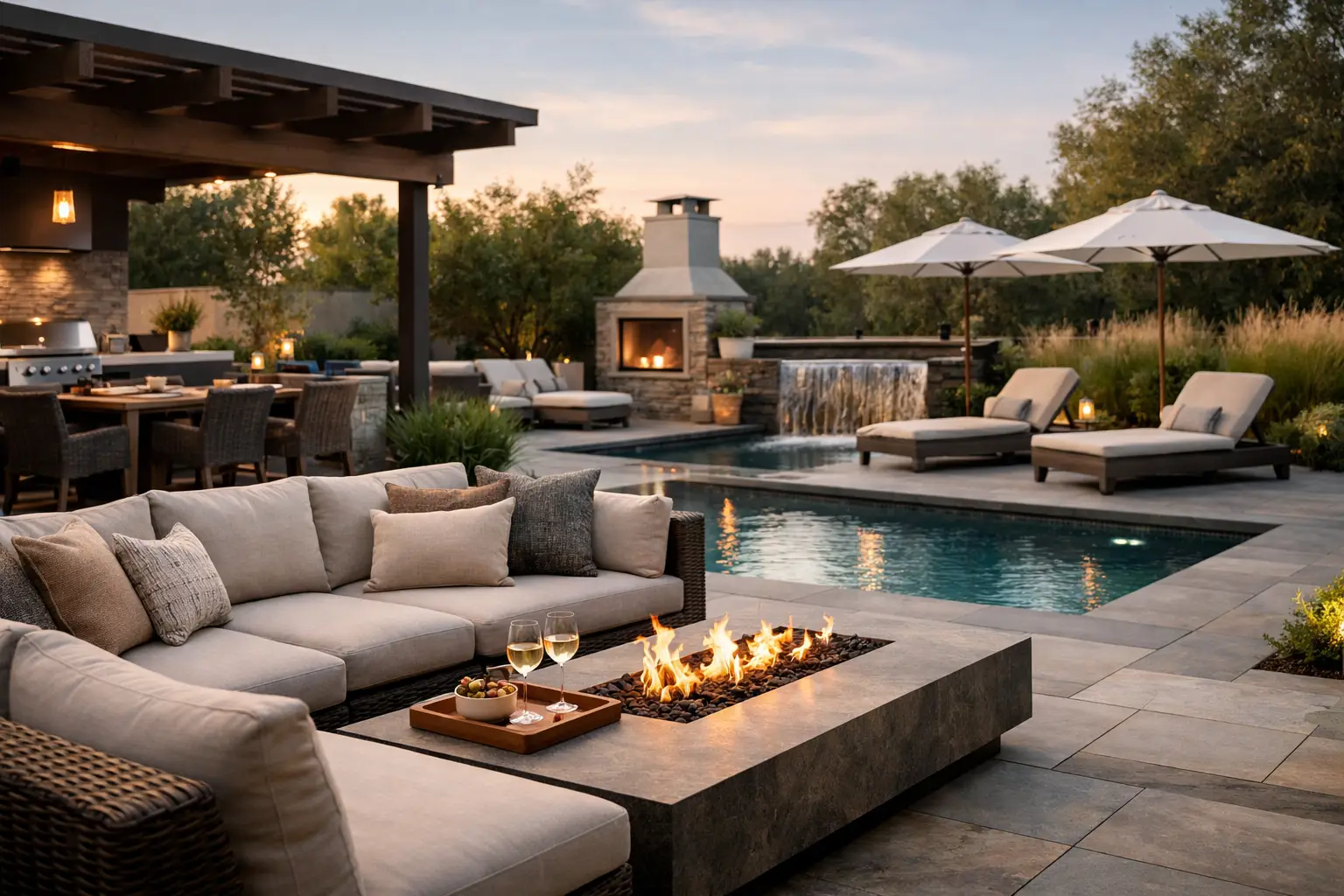
A backyard used to mean a grill, a few plastic chairs, and maybe a deck that got attention once a year. That’s changed fast. Today, outdoor living design trends are less about decoration and more about building usable space – places where homeowners can relax, host family, work outside, and add real value to the property.
In Kitsap and Mason County, that shift matters even more. Our weather rewards smart planning. You want outdoor spaces that can handle moisture, changing temperatures, and regular use without turning into a constant maintenance project. The best designs are not the flashiest ones. They are the ones that still look good, feel comfortable, and hold up after years of Northwest conditions.
Outdoor living design trends are getting more practical
The biggest change in outdoor design is simple: homeowners want spaces they will actually use. That means fewer one-note patios and more complete outdoor areas built around daily life.
A deck is no longer just a platform off the back door. It might include dedicated dining space, room for a fire feature, wider stairs that work as seating, or built-in lighting that makes the area feel finished after dark. Covered sections are becoming more common because they stretch the season and make the investment more useful.
This practical mindset also affects layout. Instead of one large empty rectangle, many homeowners are choosing defined zones. One area handles grilling and meal prep. Another is set up for conversation. A third may stay open for kids, pets, or flexible use. That kind of planning makes even a modest yard feel more functional.
Low-maintenance materials are leading the way
One of the strongest outdoor living design trends is the move toward materials that reduce upkeep without sacrificing appearance. For most property owners, that is not a luxury. It is common sense.
Natural wood still has its place, and some homeowners prefer the look and feel of it. But wood also asks more from you. It needs regular cleaning, sealing, and closer monitoring for rot, splintering, and weather damage. In Western Washington, that maintenance cycle comes around fast.
That is why composite decking continues to gain ground. Products like Trex and Azek are popular for a reason. They offer long-term durability, color consistency, and less routine maintenance than traditional wood. For busy homeowners, landlords, and property managers, that can mean fewer repair calls and more predictable performance over time.
There is a trade-off, of course. Composite materials often cost more upfront. But when you factor in maintenance, longevity, and reduced repair needs, many owners find the value is there. It depends on your budget, your timeline, and whether you want to spend future weekends maintaining the deck or enjoying it.
Hidden fasteners and clean finishes
Details matter more than ever. Hidden fastening systems, picture-frame borders, skirting, and clean edge work are showing up in more projects because they make the whole structure look intentional. These are not just cosmetic upgrades. They help create a finished outdoor room rather than a basic build.
Well-chosen railings matter too. Homeowners are leaning toward railing systems that preserve the view and keep the design clean, especially in areas where trees, water, or open space are part of the property’s appeal.
Covered outdoor spaces are becoming the standard
A beautiful outdoor area is not worth much if it sits empty for half the year. That is one reason covered decks, patio covers, and partial roof extensions are becoming more common.
In our region, cover adds real function. It gives you shade in summer, shelter during light rain, and more protection for furniture and finishes. It also helps homeowners use outdoor areas in shoulder seasons when an uncovered deck would be less comfortable.
Some projects include a full covered living area with lighting and fans. Others use a pergola or partial cover to define space while keeping things open. The right choice depends on the yard, the home’s structure, and how you plan to use the area. A fully covered design offers more weather protection, but it can also add cost and require more coordination. A lighter structure may give you enough comfort without changing the feel of the yard too much.
Outdoor kitchens are getting simpler and smarter
Not every homeowner needs a full chef’s setup outside. One of the more realistic outdoor living design trends is the move toward scaled outdoor kitchens – spaces built around how people really cook and gather.
For some homes, that means a built-in grill with counter space and storage. For others, it may be a durable prep station near the main seating area and easy access to the interior kitchen. The goal is convenience, not showing off.
This is where good planning matters. Outdoor kitchens need the right clearances, durable surfaces, and practical placement. If the setup is too far from the house, too exposed to weather, or awkward to clean, it can become an expensive feature that sees limited use. A smaller, well-designed setup often performs better than a large one packed with features you rarely touch.
Lighting is doing more than making things visible
Outdoor lighting used to be an afterthought. Now it is part of the design from the beginning.
Stair lighting, post cap lighting, pathway lights, and subtle accent lighting can improve both safety and appearance. This is especially important on decks and walkways, where visibility affects how comfortable the space feels after sunset. Good lighting extends the useful hours of the space and helps it feel more complete.
The best lighting plans do not overdo it. Too much brightness can make a backyard feel harsh and exposed. Well-placed lighting should support movement, highlight features, and create a warm feel without turning the yard into a parking lot.
Comfort is replacing clutter
Another shift in outdoor living design trends is the move away from overfilling the space. Homeowners are choosing fewer, better elements instead of trying to squeeze everything in.
That usually leads to stronger results. Comfortable seating, enough room to move around, and a clear layout will do more for daily enjoyment than cramming in every trending feature. Fire pits, privacy walls, planters, benches, and built-ins can all work well, but only when they fit the scale of the space.
Smaller yards benefit from this approach the most. A compact deck with the right traffic flow, seating, and lighting can feel far more inviting than a large area with no clear purpose. Good design is not about adding more. It is about making each part of the space earn its place.
Weather-ready design matters in the Northwest
National trends can be useful, but local conditions should always lead the conversation. In Western Washington, moisture, drainage, surface slip resistance, and material durability are not side issues. They are core design decisions.
That affects everything from decking selection to stair layout to how water moves away from the home. It also influences railing choices, fasteners, framing protection, and whether a particular finish will hold up over time. What looks great in a dry climate may not perform the same way here.
This is why many homeowners are putting more value on professional planning and installation. A good outdoor project should not just look right on day one. It should still be solid, safe, and low-stress years down the road. That is where craftsmanship matters.
The best trend is building for the long term
Trends come and go, but the strongest outdoor spaces are built around long-term use. If a design makes your home easier to enjoy, easier to maintain, and more valuable over time, it is probably a smart investment.
For some households, that means a low-maintenance composite deck with clean railings and lighting. For others, it means a covered entertaining area, durable stairs, and a layout that works for family gatherings. Property managers and landlords may focus more on durability, safety, and lower upkeep. The right answer depends on who will use the space and what kind of performance you expect from it.
At Kitsap Maintenance, we see the difference every day between features that photograph well and spaces that truly serve the property. The best outdoor upgrades are the ones that fit your home, your budget, and the way you actually live.
If you are thinking about improving your backyard, start with a simple question: what would make this space easier to use next month, next year, and five years from now? That answer usually points you in the right direction.
Leave a Reply